How Concrete Curbing Helps Define Landscape Borders
Concrete curbing helps define landscape borders by creating clear, durable edges, and local service providers can expertly install and customize these borders to enhance your yard.
Understanding how concrete curbing helps define landscape borders can be a valuable step for property owners looking to enhance their outdoor spaces. Well-designed landscape borders not only create visual separation between lawns, flower beds, and walkways but also help prevent soil erosion and keep mulch or gravel contained. For those considering ways to improve curb appeal and maintain a tidy appearance, exploring concrete curbing options offers a durable and attractive solution that can stand up to the elements over time.
Property owners in the area often turn to local contractors for expert guidance on installing concrete curbing because of its practicality and long-lasting nature. These service providers can help design and install borders that complement existing landscaping, making the entire property look more organized and polished. Keep reading to discover how concrete curbing services can fit into your landscape plans and contribute to a more defined and appealing outdoor environment.
- Concrete Curbing Services - homeowners planning to clearly define garden beds or lawn borders often seek concrete curbing to create a durable, polished edge that enhances landscape design.
- Landscape Border Definition - property owners looking to establish clean, long-lasting boundaries between different landscape elements rely on local contractors skilled in concrete curbing installation.
- Garden Bed Edging - those wanting to prevent soil erosion and keep mulch or gravel in place often turn to concrete curbing services for a neat, professional finish.
- Driveway and Pathway Edging - clients aiming to separate walkways from landscaped areas for safety and aesthetic appeal frequently hire local pros to install concrete borders.
- Property Line Demarcation - individuals seeking to establish clear, maintenance-free boundaries around their yard or garden often work with local service providers experienced in concrete curbing.
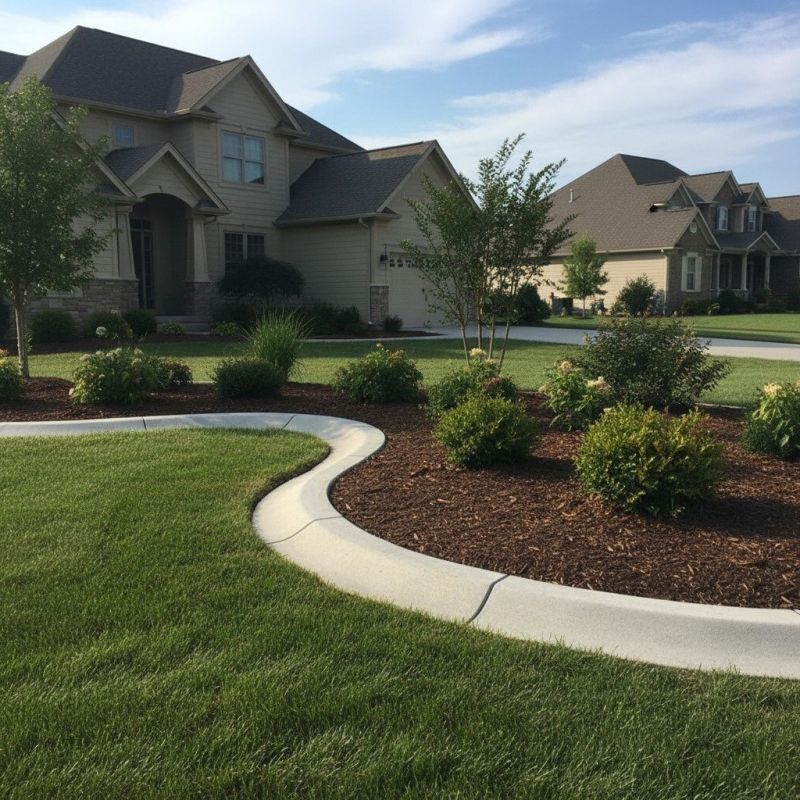
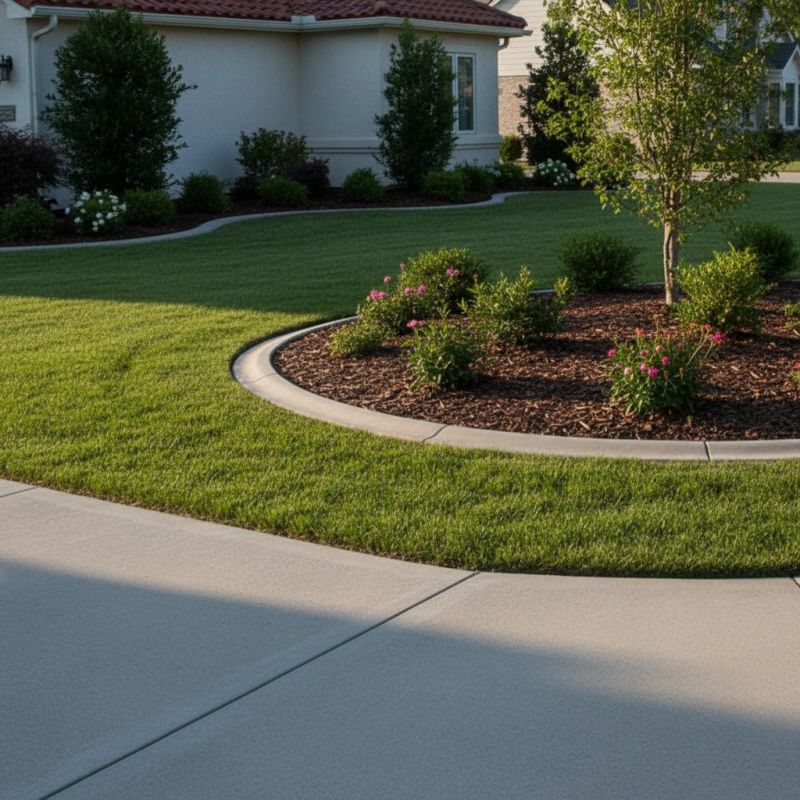
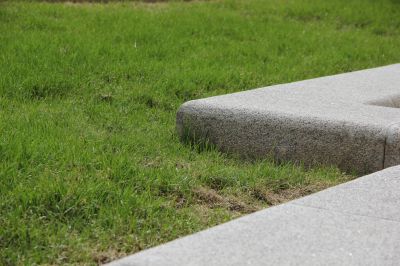
When people search for how concrete curbing helps define landscape borders, they are often exploring ways to create clear, attractive boundaries around different areas of their property. This can include separating lawns from flower beds, outlining pathways, or creating distinct zones for turf, plants, and hardscape features. Homeowners looking to improve their yard’s organization or enhance curb appeal often consider concrete curbing as a practical solution to establish these borders in a clean and durable manner. The focus is typically on achieving a neat, professional look that enhances the overall design while providing a functional barrier that prevents grass or mulch from spilling into unwanted areas.
Concrete curbing is closely related to landscape planning and property improvement projects. It addresses common problems such as overgrown grass encroaching into flower beds, erosion along garden edges, or the need for a low-maintenance, long-lasting boundary that can withstand weather and foot traffic. Many property owners also plan to add curb appeal by installing borders that visually define different sections of their yard, making the space look more organized and polished. Whether for a residential lawn or a commercial property, concrete curbing offers a versatile solution that can complement various landscape styles and help achieve specific aesthetic or functional goals.
The types of properties that typically come up in searches about landscape borders include single-family homes, multi-unit residential complexes, commercial properties, and public parks. Homes with sizable yards often seek concrete curbing to delineate flower beds, walkways, or lawn areas, creating a tidy appearance and reducing maintenance. Commercial properties might use concrete borders to organize outdoor spaces efficiently or to enhance visual appeal for customers. Public parks and community spaces also frequently incorporate concrete curbing to define pathways, playground areas, or planting beds, contributing to safety and ease of maintenance. These properties benefit from the durability and visual clarity that concrete curbing provides, making it a popular choice across various settings.
Local contractors specializing in concrete curbing play a key role in turning landscape border ideas into reality. They bring experience in designing and installing borders that suit the specific layout and style of each property. Homeowners and property managers often rely on these service providers to recommend the best type of concrete curbing for their needs, whether that involves custom colors, textures, or shapes. By working with local pros, property owners can ensure that the borders are installed correctly and built to last, helping to create a well-defined, attractive landscape that enhances curb appeal and property value. These professionals understand the local climate and soil conditions, which helps in selecting and installing the most suitable concrete borders for each project.
Retaining wall construction - this project involves shaping and installing concrete structures that help manage soil and define landscape boundaries, similar to concrete curbing techniques.
Garden bed edging - installing concrete or similar borders to separate planting areas requires planning and skills comparable to creating landscape borders with concrete curbing.
Driveway apron installation - integrating concrete features to transition between driveways and lawns involves precise edging work akin to landscape border definition.
Pathway and walkway installation - laying out concrete pathways requires planning and skill in creating clean, defined edges similar to landscape borders.
Drainage channel construction - designing and installing concrete drainage features involves planning and precision that align with defining landscape borders.
Landscape grading and leveling - preparing terrain for planting or construction involves planning and the use of tools that are also used in concrete curbing projects.
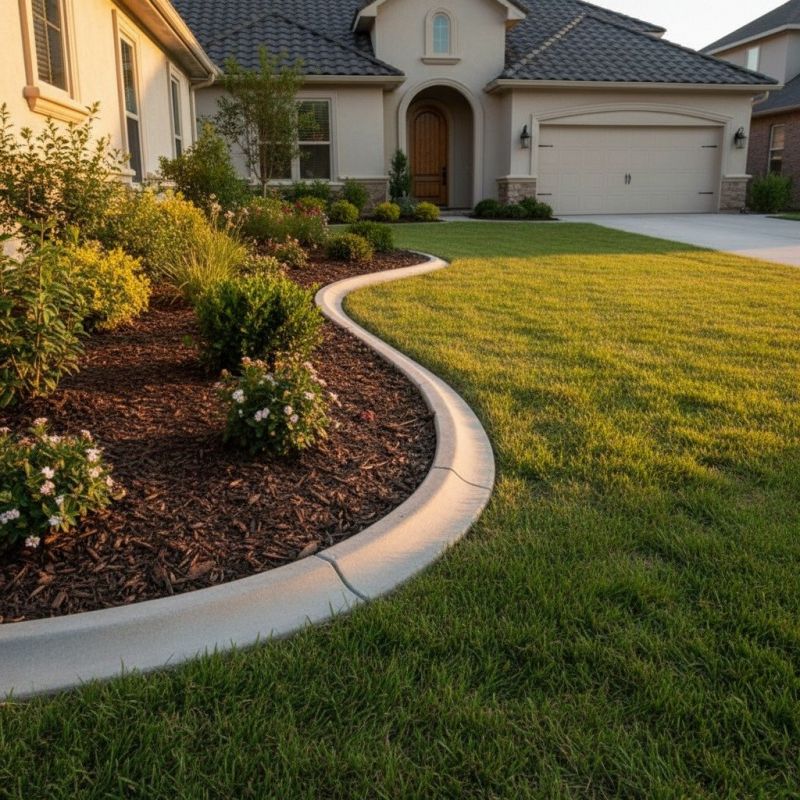
When comparing concrete curbing services for landscape borders, it is important to consider the experience of local contractors with similar projects. A contractor who has worked on a variety of landscape border installations can offer insights into best practices and potential challenges specific to concrete curbing. Asking about their past work can help gauge their familiarity with different design styles, soil conditions, and the techniques that ensure durable, visually appealing results. This experience can contribute to a smoother project process and a final product that effectively defines the landscape boundaries.
Clear written expectations are essential when evaluating potential service providers. A reputable contractor should be able to provide detailed descriptions of the scope of work, materials used, and the process involved in installing concrete curbing. Having this information in writing helps ensure that both parties are aligned on the project goals and reduces the risk of misunderstandings. It also provides a basis for comparing proposals and assessing which contractor can best meet the specific needs of the landscape design.
Reputable references and good communication are key indicators of a reliable local contractor. Speaking with previous clients or reviewing references can reveal insights into the contractor’s professionalism, adherence to timelines, and overall quality of work. Additionally, effective communication throughout the project-such as prompt responses to questions and clarity about procedures-can make the process more straightforward and less stressful. Choosing a service provider known for transparent and consistent communication can help ensure that the project to define landscape borders with concrete curbing proceeds smoothly and meets expectations.
Property owners often search for how concrete curbing helps define landscape borders when they are planning practical projects around their homes and businesses. Local pros provide Concrete Curbing services for everyday jobs and straightforward project options.
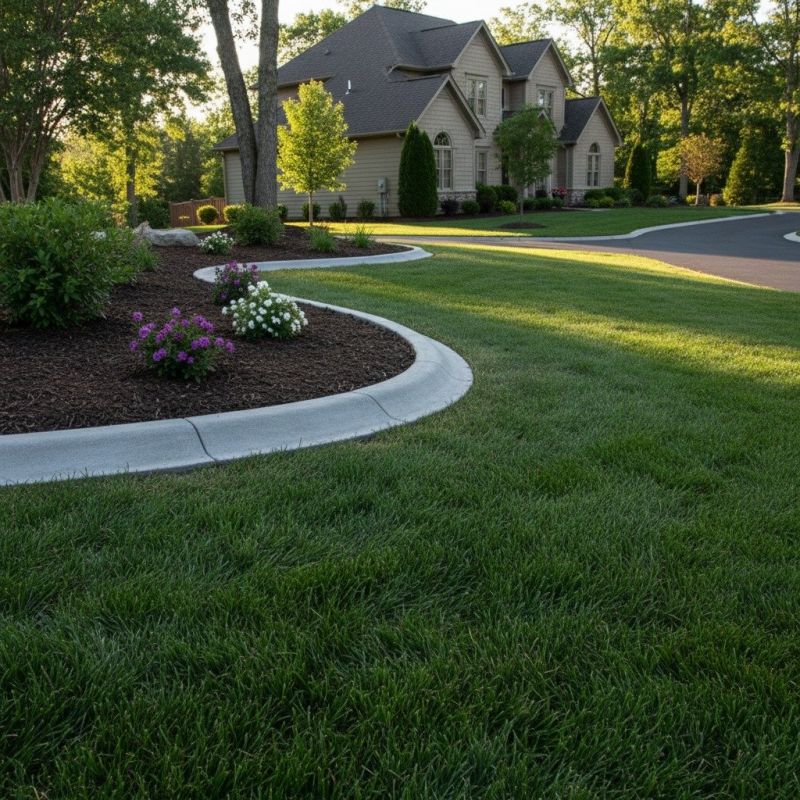
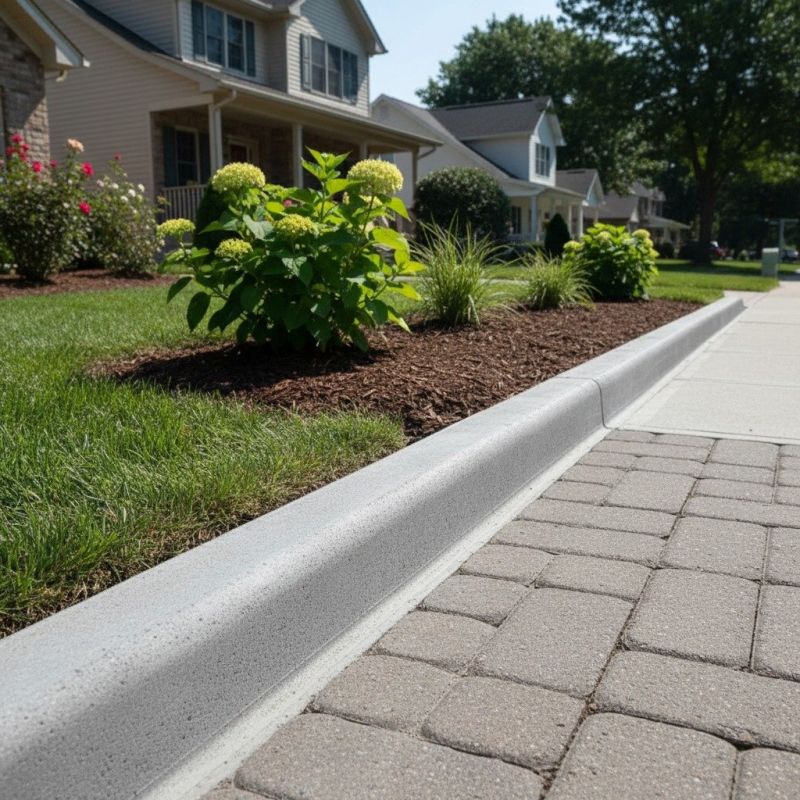
Concrete curbing is a practical way for property owners to clearly define landscape borders around lawns, flower beds, and walkways. This simple addition can help create a neat, organized look, preventing grass or mulch from spilling into unwanted areas. Homeowners often look into concrete curbing services when they want a low-maintenance solution that enhances curb appeal and keeps their outdoor spaces looking tidy. Local contractors who specialize in concrete curbing can provide durable, customized borders that stand up to weather and regular use, making it easier to maintain a polished landscape.
Many property owners consider concrete curbing as a straightforward way to improve the overall appearance of their yard while also providing functional benefits. It can act as a barrier to help contain mulch, gravel, or other landscaping materials, reducing the need for frequent touch-ups. When searching for ways to improve landscape borders, individuals often turn to local service providers who have experience in installing concrete curbing efficiently and effectively. These professionals can help determine the best style and placement to suit the specific needs of each property, ensuring the finished result is both attractive and practical.
How does concrete curbing help define landscape borders? Concrete curbing creates a clear visual separation between different areas of a landscape, making borders more noticeable and organized. Local contractors can install durable curbing that enhances the overall structure of a yard or garden.
What are the benefits of using concrete curbing for landscape borders? Concrete curbing provides a long-lasting, low-maintenance way to keep landscape features distinct. It also helps prevent soil erosion and can contain mulch or gravel, contributing to a tidy appearance.
Can concrete curbing be customized to match my landscape design? Yes, local service providers offer various styles, colors, and finishes to complement different landscape themes. This customization helps create a cohesive and attractive border around garden beds, lawns, and pathways.
How does concrete curbing improve the functionality of landscape borders? Concrete curbing helps contain mulch, gravel, or soil, reducing the spread into other areas. It also provides a sturdy edge that can support walking paths and prevent damage to plants or turf.
Why should I consider professional concrete curbing installation for my landscape borders? Professional installers ensure the curbing is properly placed, level, and durable, resulting in a clean, professional-looking border that enhances the landscape’s structure and appeal.
Designing clear boundaries - Property owners can work with local contractors to create distinct landscape borders that enhance curb appeal and organization.
Preventing soil erosion - Concrete curbing helps contain mulch, gravel, or soil, reducing runoff and maintaining the landscape’s structure.
Adding visual separation - Defining lawn edges and garden beds with concrete curbing creates a polished look and separates different landscape areas.
Enhancing property value - Well-installed concrete borders can improve curb appeal and make outdoor spaces more functional and attractive.
If you are thinking about how concrete curbing helps define landscape borders for a property, this guide is meant to help you understand this topic, the typical project types, and how different options might fit your plans.
When you are ready, you can use the quote form on this page to share a few details about your project. From there, local pros can review the basics and follow up with options that match what you have in mind.